STORM DAMAGE ROOFING IN GEORGIA: FAQs
Storm damage can leave homeowners with many questions about their roof, insurance coverage, and next steps. This FAQ guide answers the most common questions Georgia homeowners ask after hail, wind, and severe weather events.
Severe weather is a fact of life in Georgia. From hailstorms and high winds to falling tree limbs and heavy rain, your roof is often the first line of defense against the elements. Unfortunately, storm damage isn't always obvious, and many homeowners aren't sure what steps to take after a storm.
To help, we've answered some of the most common questions Georgia homeowners ask about storm damage, roof inspections, insurance claims, and roof replacement.
How do I know if my roof has storm damage?
Not all storm damage is visible from the ground. Common signs include:
- Missing or lifted shingles
- Dented gutters, downspouts, or roof vents
- Granules collecting in gutters
- Water stains on ceilings or walls
- Exposed roofing materials
- Fallen branches or debris on the roof
Even if you don't see obvious signs, a professional inspection can identify hidden damage before it becomes a costly problem.
Should I have my roof inspected after a storm?
Yes. Storm damage often goes unnoticed until leaks or other issues develop. Having your roof inspected after a significant weather event can help identify damage early and provide documentation if an insurance claim becomes necessary.
Can hail damage a roof without causing leaks?
Absolutely. Hail can bruise shingles, loosen protective granules, crack roofing materials, and shorten the lifespan of your roof without causing immediate leaks. In many cases, the damage isn't discovered until months later.
Will homeowners insurance cover storm damage?
Most homeowners insurance policies cover sudden and accidental storm damage caused by:
- Hail
- Wind
- Falling trees
- Falling debris
Coverage varies by policy, so it's important to review your insurance documents and speak with your carrier if damage is discovered.
How long do I have to file a storm damage claim in Georgia?
The deadline depends on your insurance policy. Many carriers allow anywhere from one to two years from the date of loss, though some policies have shorter reporting requirements.
Because deadlines vary, homeowners should schedule an inspection and review their policy as soon as possible after a storm.
What should I do immediately after a hailstorm?
After a storm:
- Check your property for visible damage.
- Take photos of any damage you can safely document.
- Avoid climbing on the roof yourself.
- Schedule a professional roof inspection.
- Contact your insurance company if damage is confirmed.
Taking action early can help preserve evidence and simplify the claims process.
What happens during a roof insurance inspection?
An insurance adjuster will inspect your roof and exterior components for storm-related damage. They will evaluate whether the damage is covered under your policy and determine the scope of repairs or replacement.
Having a knowledgeable roofing professional present during the inspection can help ensure all damage is properly documented.
Will filing a claim increase my insurance premiums?
In many cases, storm damage claims are considered weather-related events rather than homeowner negligence. Premium increases depend on several factors, including your insurance company, claim history, and regional storm activity.
For specific information, homeowners should speak directly with their insurance provider.
How much does a roof replacement cost without insurance?
Roof replacement costs vary based on:
- Roof size
- Roof pitch and complexity
- Material selection
- Ventilation requirements
- Structural repairs needed
Homeowners should expect to come out of pocket $8,000 to $20,000+ While every project is different, replacing a roof is a significant investment, which is why many homeowners choose to explore insurance coverage when storm damage is present.
Can I repair storm damage instead of replacing my roof?
Sometimes. If damage is isolated to a small area, repairs may be sufficient. However, widespread hail or wind damage often makes replacement the more practical long-term solution.
A professional inspection can help determine which option makes the most sense for your situation.
What other parts of my home can be damaged by hail?
Many homeowners are surprised to learn that hail can damage more than just roofing materials.
Storm-related damage may affect:
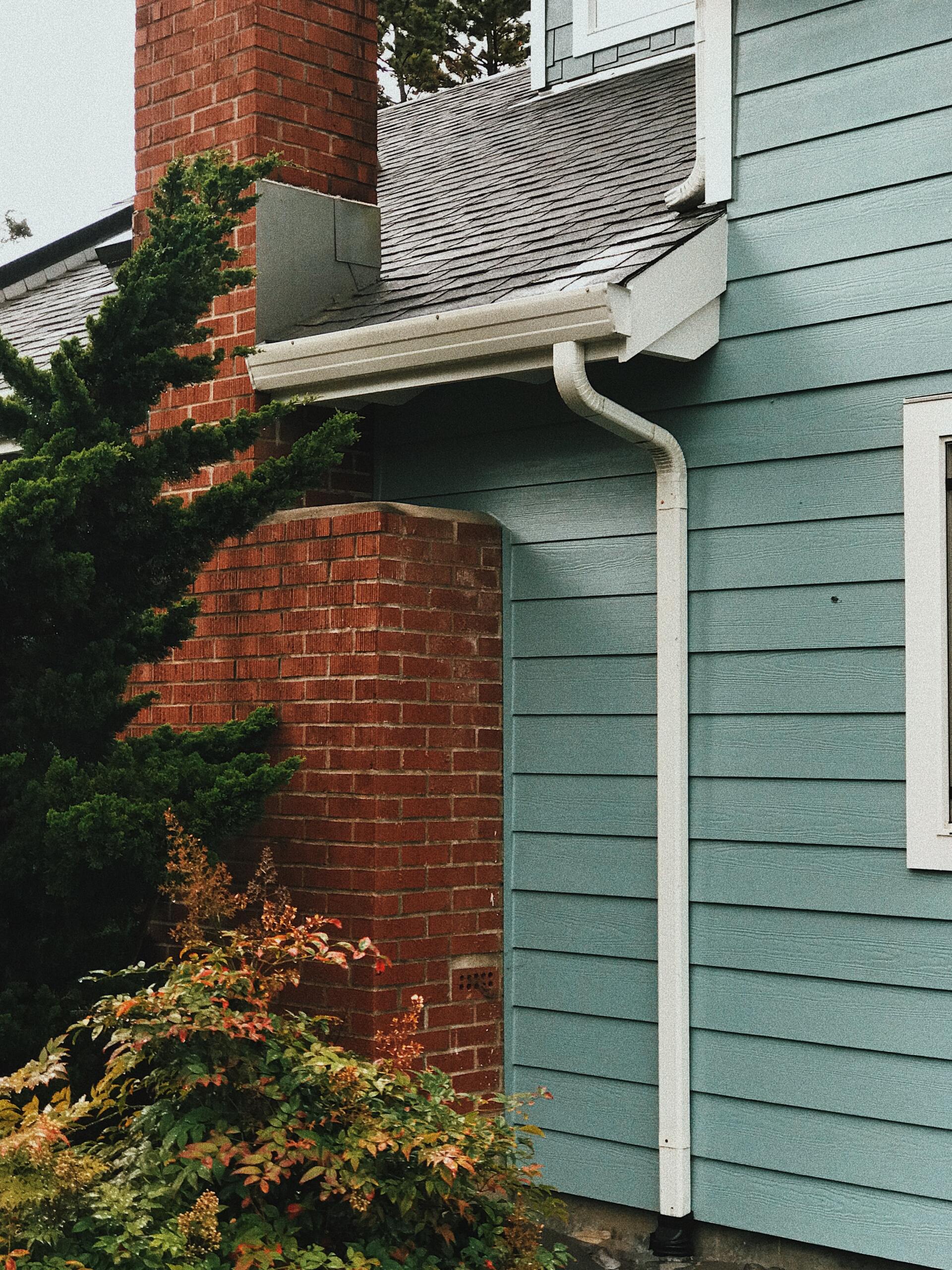
- Gutters and downspouts
- Siding
- Window screens
- Garage doors
- Exterior paint
- HVAC units
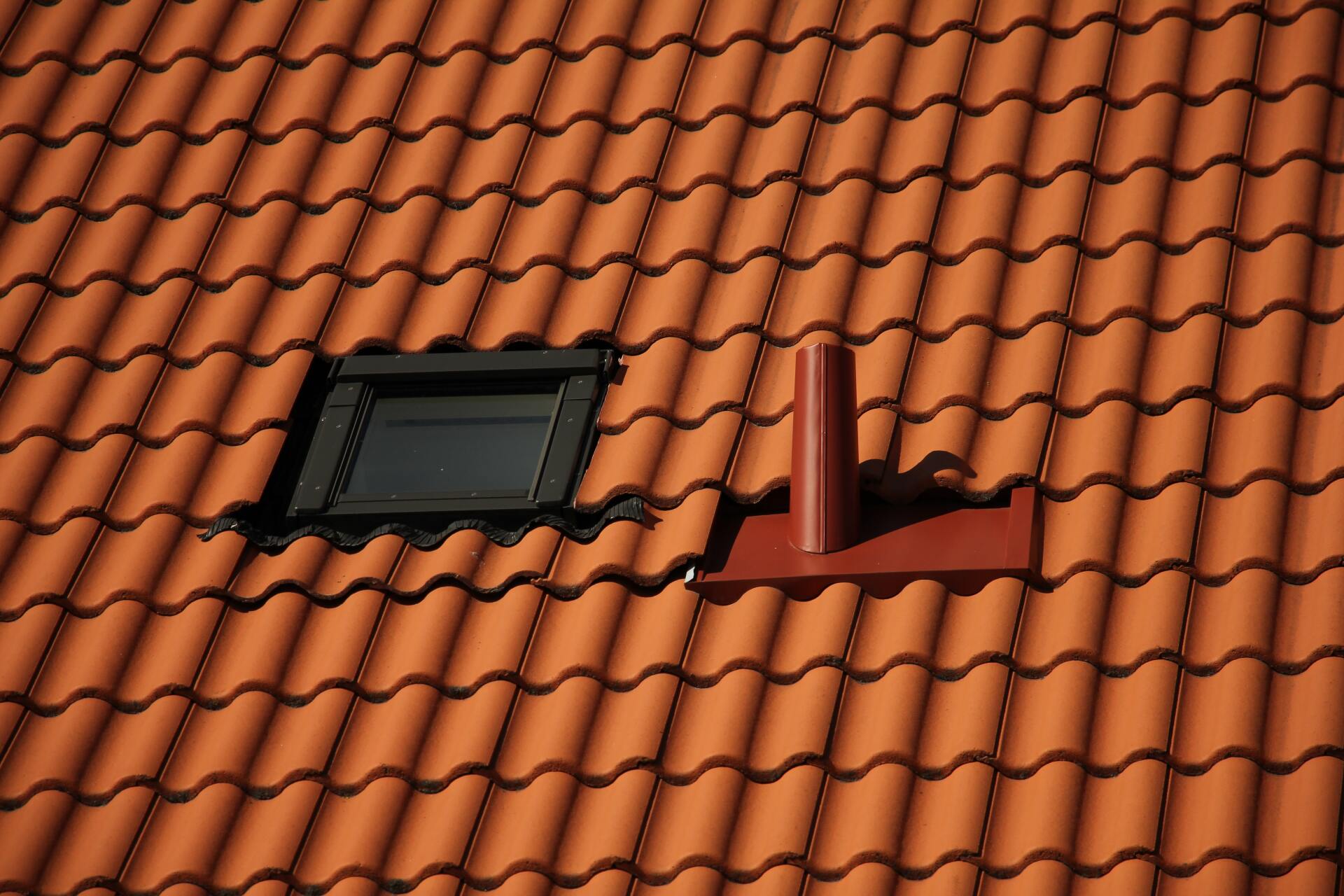
- Metal flashing and vents
These items may also be considered during the insurance claim process.
How long does a storm damage roof replacement take?
Most residential roof replacements can be completed in one to two days once materials are delivered and weather conditions permit. Larger or more complex projects may take longer.
How often should I have my roof inspected in Georgia?
Most roofing professionals recommend a roof inspection at least once per year and after any major storm event. Regular inspections can identify minor issues before they become expensive repairs.
Do you offer free roof inspections?
Yes. Oikos Roofing & Restoration provides free roof inspections for homeowners who are concerned about storm damage, aging roofing systems, or potential insurance claims.
Why choose Oikos Roofing & Restoration?
At Oikos Roofing & Restoration, we believe homeowners deserve honest assessments, quality workmanship, and clear communication throughout the roofing process.
Whether your roof needs a simple repair, a full replacement, or help navigating a storm damage claim, our goal is to help you make informed decisions that protect your home and your investment.
Need Help After a Storm?
If your neighborhood recently experienced hail, high winds, or severe weather, don't wait for a leak to appear before taking action.
Schedule a free roof inspection with Oikos Roofing & Restoration and get the answers you need to protect your home with confidence.